
Documentation Center
Looking for technical information about our aeration systems? The Precision Aeration Solutions Documentation Center provides resources to help you better understand turbine aeration technology, improve wastewater treatment performance, and support regulatory compliance.
Whether you're upgrading an existing lagoon, reducing operating costs, or adding a dependable backup aeration system, our documentation provides valuable insights into the performance and applications of our equipment.
Our turbine aerator is typically powered by a 5-horsepower motor, yet its performance has been shown to rival conventional aerators rated at up to 20 horsepower. This efficient design helps reduce energy consumption while delivering dependable dissolved oxygen transfer.
Municipal Wastewater Aeration
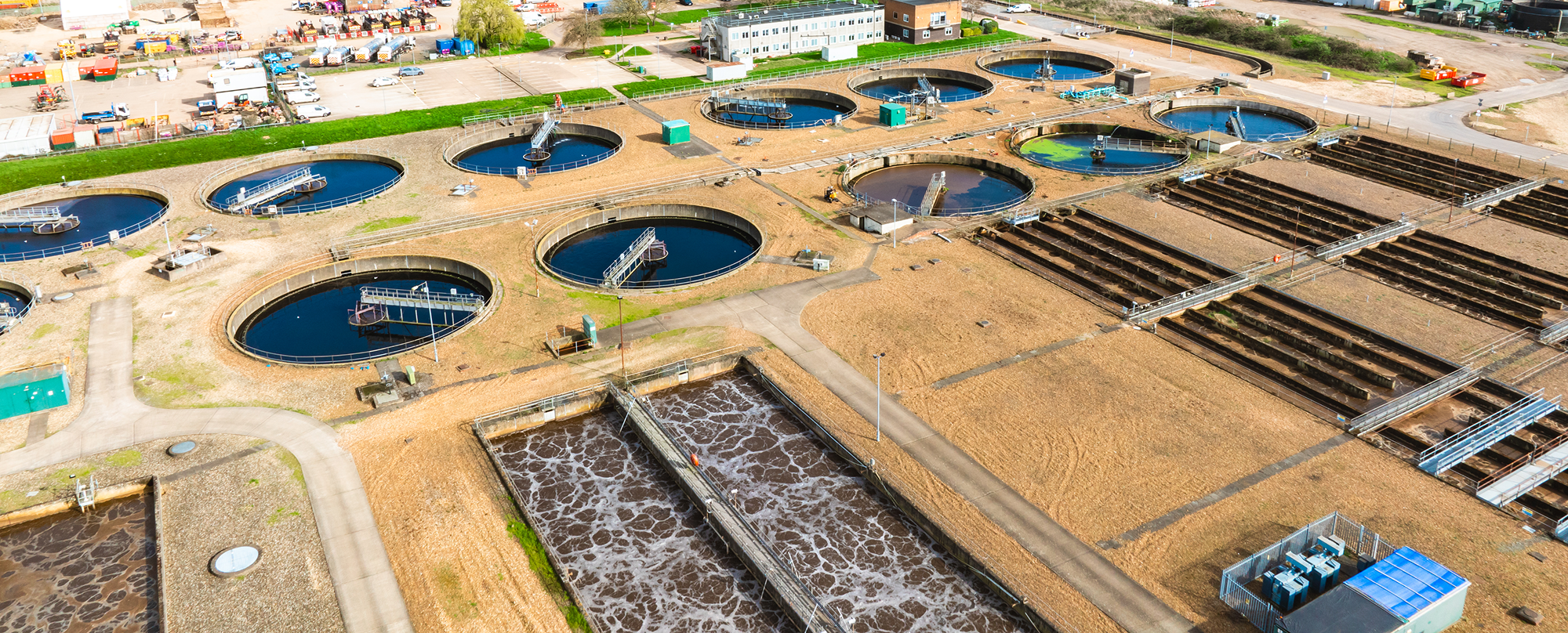
The Precision Aeration Solutions turbine aerator offers several advantages for municipal wastewater treatment facilities, including:
- Lower initial equipment costs
- Little to no routine maintenance
- Reduced electrical operating costs
- High dissolved oxygen transfer efficiency
Whether used in aerated lagoons or stabilization ponds, the turbine aerator helps increase microbial activity to improve wastewater treatment performance while reducing odors.
-

Farm Wastewater Aeration

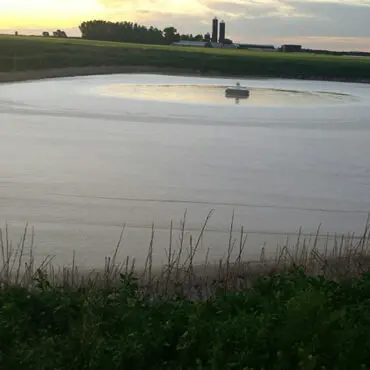
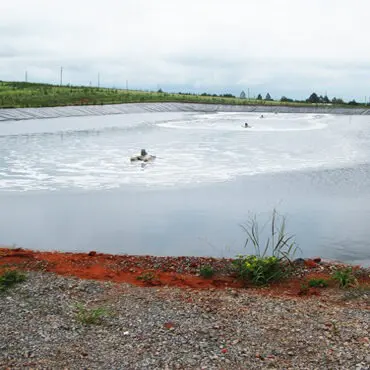
Livestock operations often rely on lagoon aeration to help manage animal waste while protecting groundwater and surrounding surface water resources.
Our turbine aerators increase dissolved oxygen, supporting biological processes that can help reduce concerns related to disease-causing organisms, hydrogen sulfide, ammonia, volatile organic compounds, antibiotics, metals, and suspended particles.
For hog, poultry, and dairy operations, improved aeration can also help minimize lagoon odors. Many dairy producers also utilize aerated wastewater in compost tea applications for forage and crop production.
-
Industrial Wastewater Aeration
Thousands of industrial facilities generate wastewater that requires effective biological treatment before discharge.
Industries including mining, pulp and paper, metals processing, and manufacturing benefit from dissolved oxygen that supports microbial activity and oxidation of contaminants. Precision Aeration Solutions turbine aerators provide a simple, energy-efficient solution that can be installed on pontoons, docks, or fixed structures depending on the application.
-
Winery & Brewery Wastewater Aeration
Wineries and breweries generate significant volumes of organic wastewater that often requires treatment before discharge or land application.
As discharge regulations continue to become more stringent, many facilities rely on turbine aeration to reduce the biological oxygen demand (BOD) of their wastewater. Precision Aeration Solutions provides reliable aeration systems that help improve wastewater quality while supporting regulatory compliance.
-
Fish Farm Aeration
Traditional paddlewheel aerators have long been used in aquaculture, but they can generate excessive noise, require frequent maintenance, and present potential risks to aquatic species.
Precision Aeration Solutions turbine aerators offer a quieter, lower-maintenance alternative while providing effective dissolved oxygen transfer that supports healthier aquatic environments.
-
Food Wastewater Aeration
Food processing facilities, including bakeries, fruit processors, and vegetable canning operations, produce wastewater with high biological oxygen demand.
Unlike surface-thrashing aerators that may release unpleasant fermentation odors, turbine aeration introduces dissolved oxygen below the water surface while creating gentle circulation throughout the lagoon. This promotes oxygen distribution without excessive surface disturbance.
-
Batch Reactor Applications
The flexible design of the Precision Aeration Solutions turbine aerator also makes it suitable for batch reactor applications across industries such as chemical manufacturing and metal processing.
Installed through the top opening of a reactor vessel, the turbine efficiently infuses liquids with dissolved oxygen or other gases. Batch reactors ranging from several thousand gallons to much larger capacities can benefit from this dependable aeration technology.
-
Horticulture Aeration
Increasing dissolved oxygen levels in irrigation water can improve growing conditions for horticultural operations.
Well-oxygenated irrigation water supports stronger root development, healthier root-to-shoot ratios, shorter production cycles, and may help reduce fertilizer requirements. The turbine aerator generates exceptionally fine oxygen bubbles that remain dissolved until the water reaches the plants.
-
Pulp Wastewater Aeration
Pulp and paper mills often operate large wastewater ponds requiring substantial aeration capacity. Traditional floating aerators equipped with 20- to 100-horsepower motors can result in significant electrical operating costs.
Field performance has demonstrated that Precision Aeration Solutions' 5-horsepower turbine aerator can outperform some conventional 20-horsepower aerators on a one-for-one basis while dramatically reducing energy consumption. This combination of lower operating costs, reduced capital investment, and dependable oxygen transfer makes turbine aeration an attractive solution for pulp and paper wastewater treatment.
Aeration Technology
The Precision Aeration Solutions turbine represents an advanced approach to wastewater aeration. Unlike many conventional aerators, it utilizes the principles of centrifugal force and precession to efficiently transfer oxygen into the water.
As the turbine rotates, it creates a low-pressure zone within its chamber. Atmospheric pressure then draws air through openings in the air shaft into the chamber, where centrifugal force rapidly disperses the air into the surrounding water. This process produces a dense cloud of fine dissolved oxygen bubbles, maximizing oxygen transfer efficiency while minimizing energy consumption.